GLM-5.3: How Chinese labs keep stride with the frontier - Complete Analysis
GLM-5.3 vs DeepSeek V3: A Developer’s Deep Dive into Chinese Frontier AI Models The pace of model releases from Chinese AI labs has become exhausting in
GLM-5.3 vs DeepSeek V3: A Developer’s Deep Dive into Chinese Frontier AI Models
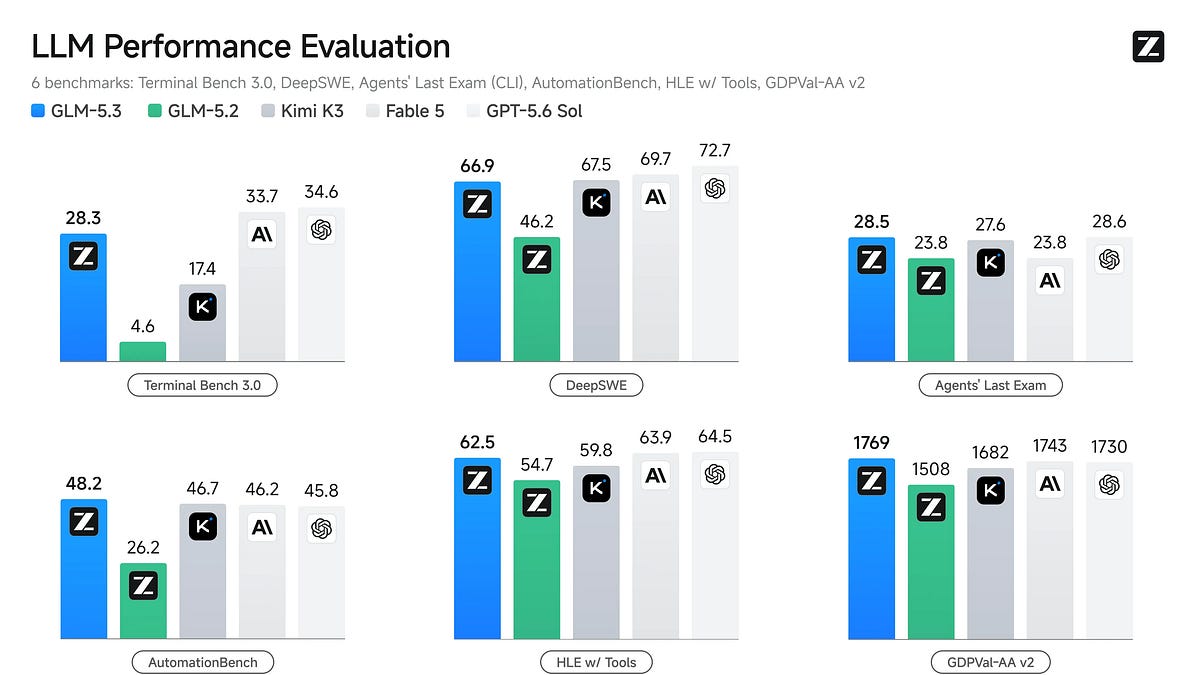
The pace of model releases from Chinese AI labs has become exhausting in the best way. Just when your team finishes an integration with one frontier model, another arrives that promises better reasoning, lower cost, or both. The newest entry to that conversation is GLM-5.3, and the model it is most often measured against is DeepSeek V3. In this article, I’ll break down GLM-5.3 vs DeepSeek V3 from a developer’s perspective, including where DeepSeek R1 fits, what the Chinese AI models API ecosystem actually looks like, and how to decide whether GLM-5.3 is a genuine DeepSeek alternative for your workflows. This is not a benchmark-fetish post. It’s about production reality.
At Mydeepseekapi, we run DeepSeek models every day, and we’ve been watching GLM-5.3 with interest. Developers keep asking us the same question: “Should I switch, or should I stick with DeepSeek?” This article is my attempt to answer that question with the context you actually need, not just a leaderboard table.
1. The New Frontier Reality: Why GLM-5.3 Matters
1.1 From GLM-5 to GLM-5.3: The Evolution of a Challenger
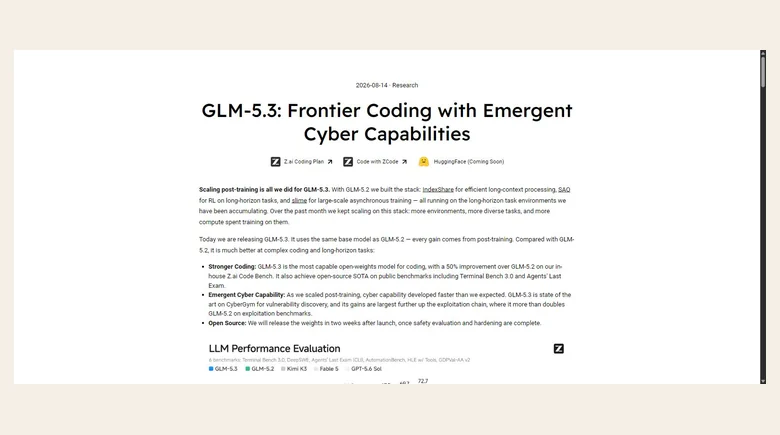
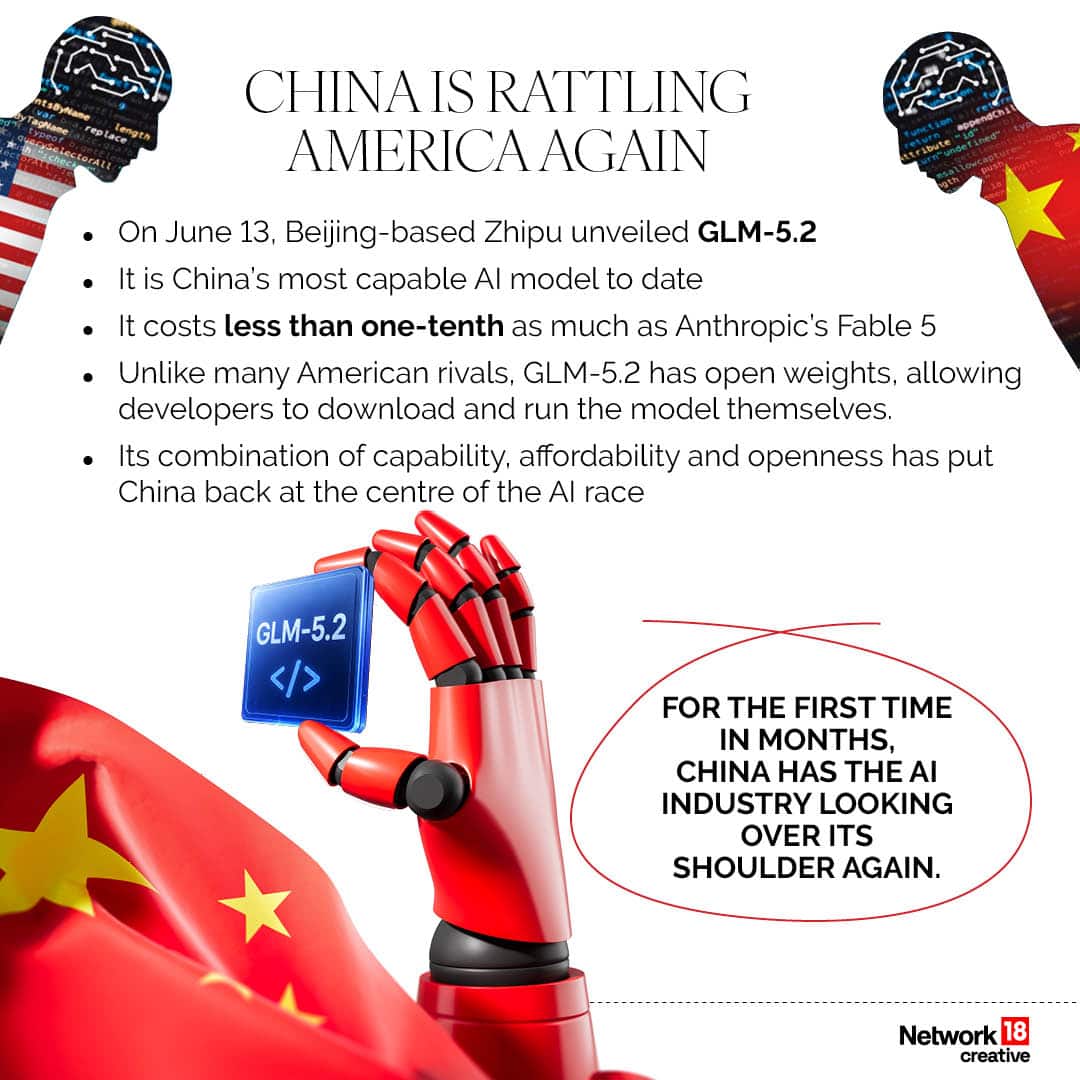
GLM-5.3 is not a from-scratch model. It is a revision of Zhipu AI's GLM-5 architecture, refined specifically to compete on reasoning-heavy tasks and API-serving efficiency. The “5.3” version label matters because it signals a cadence: incremental releases are now shipping faster than ever, and each one closes the gap with leading Western and Chinese models in a meaningful way.
The original GLM-5 established Zhipu as a serious player. GLM-5.3 builds on that foundation by improving instruction following, multilingual consistency, and the kind of deep reasoning that coding and agentic workflows require. In practice, the most visible change is not a single capability jump but a more balanced profile across categories. That may sound boring, but for developers it is exactly what you want: fewer surprises in production.
1.2 How Chinese Labs Are Competing at the Global Frontier
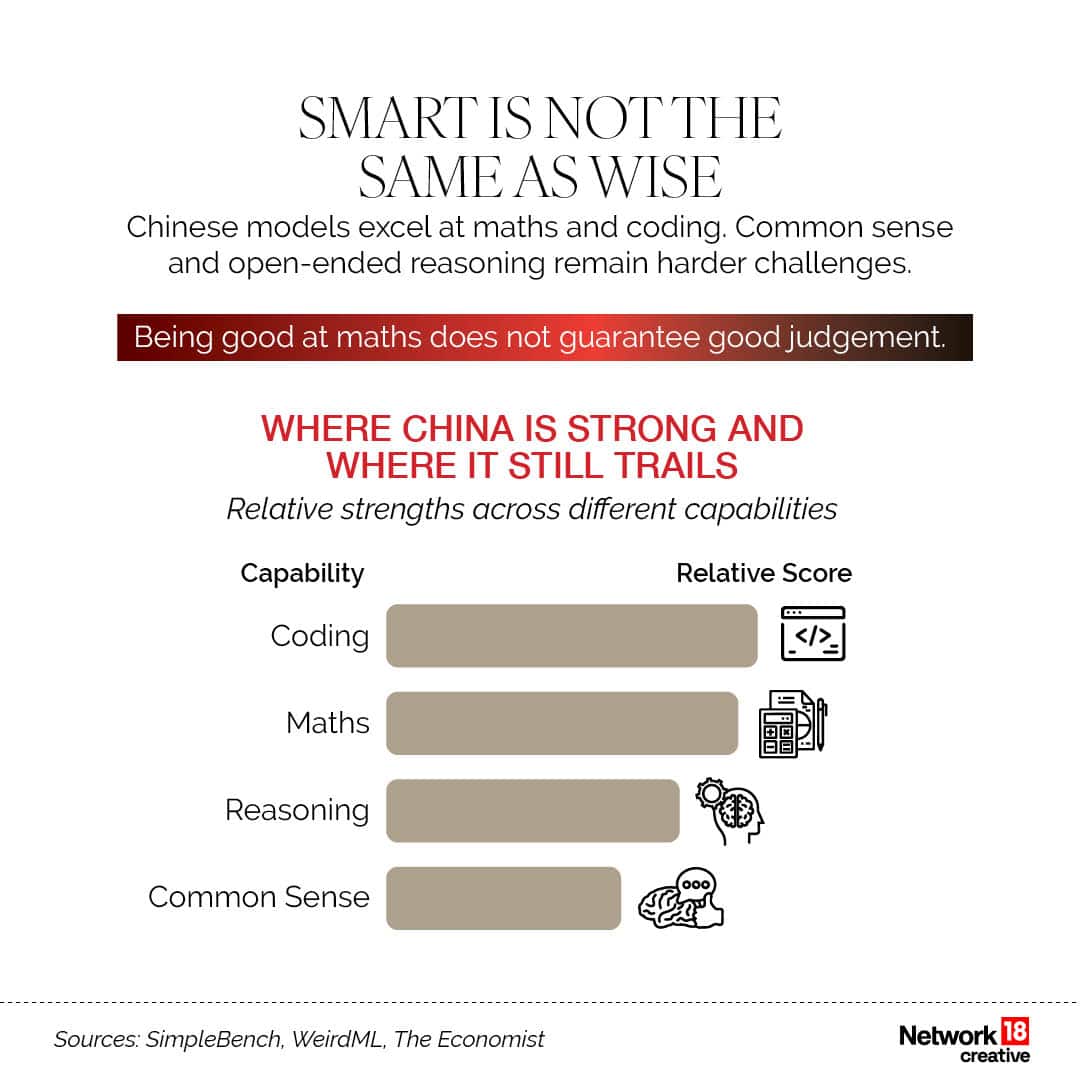
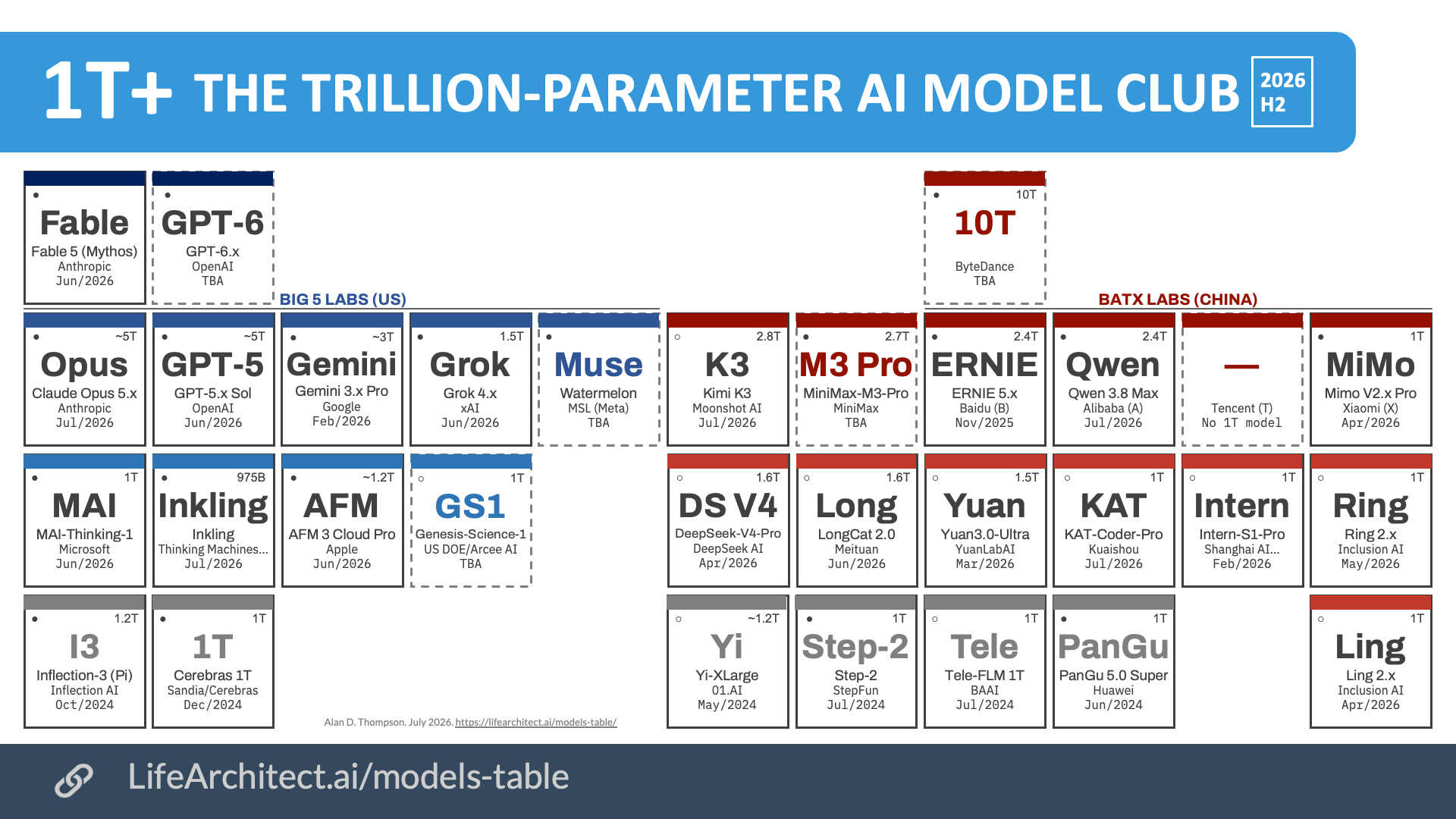
Chinese labs have changed the global AI game by making open-weight and API access central to their strategy. Instead of locking models behind closed endpoints, they publish technical reports, release weights, and offer API pricing that pressures everyone else to respond.
The result is a highly competitive frontier where no single lab stays on top for long. DeepSeek, Zhipu, Alibaba, and others keep trading positions. GLM-5.3 should be understood in this context: it is not just another model but part of a wave of rapid, community-facing releases that make it easier for developers to experiment with state-of-the-art capabilities.
1.3 Hidden Insight: The Real “Stride” Is Inference Cost, Not Just IQ
Most commentary on GLM-5.3 vs DeepSeek V3 focuses on benchmark scores. But the more interesting story is inference cost. Chinese labs are narrowing the gap with Western models by optimizing serving efficiency, latency, and price per token, not just by chasing intelligence metrics.
When implementing these models, the total cost of ownership often matters more than a few percentage points on a reasoning benchmark. A model that is 3% worse on a test but 40% cheaper to run at scale is frequently the better business decision. GLM-5.3 appears to have been built with that trade-off in mind, and it is a direct challenge to DeepSeek’s famously low-cost API.
2. GLM-5.3 vs DeepSeek V3: Head-to-Head Comparison

2.1 GLM-5.3 vs DeepSeek V3: What the Benchmarks Really Show

Benchmark comparisons between GLM-5.3 and DeepSeek V3 usually focus on categories like language understanding, coding, math, and agentic tasks. On paper, both models are close. DeepSeek V3 has established itself as a strong general-purpose model with particularly good code generation and reasoning, while GLM-5.3 shows competitive performance in instruction following and long-context handling.
But here is the catch: your application does not run MMLU. A model can look great on a knowledge benchmark and still fail at your specific JSON extraction task. When we test models at Mydeepseekapi, we use task-specific prompts, not academic suites. In that kind of evaluation, GLM-5.3 and DeepSeek V3 tend to trade wins depending on the workload.
The practical takeaway is straightforward. Do not choose between GLM-5.3 vs DeepSeek V3 based on a single headline number. Run your own prompts, measure real-world usefulness, and compare outputs side by side.
2.2 Architecture and Training: Technical Deep Dive
Both models use a Mixture-of-Experts (MoE) architecture, but the implementation details matter if you are calling them through an API. DeepSeek V3 is a large-scale MoE model with 671 billion total parameters and 37 billion active parameters per token. That design gives it strong accuracy while keeping inference cheaper than a dense model of similar capability.
GLM-5.3 adopts a similar sparse MoE philosophy, though exact parameter counts are not always consistently reported. The more important difference for API users is how the models behave under load. DeepSeek V3 has an established serving stack, and GLM-5.3 is still building its production reputation.
Context length is another consideration. Both models support long inputs, but real-world behavior, like how well a model remembers details from the middle of a long conversation, can vary in ways that benchmark numbers do not capture. If your workflow depends on 50,000-token documents, you need to test both models with your own data.
2.3 Costs, Latency, and Deployment Footprint
Cost is where Chinese AI models are hardest to beat. DeepSeek V3 is known for aggressive pricing and fast response times, which made it an obvious choice for cost-sensitive developers. GLM-5.3 is clearly trying to match that playbook.
Latency is also critical. In production, a model that thinks for ten seconds before answering might be unacceptable for a chat assistant but perfect for an offline batch job. When comparing GLM-5.3 vs DeepSeek V3, look at time-to-first-token and output token speed, not just total request time.
At Mydeepseekapi, we give developers transparent access to DeepSeek V3 for side-by-side evaluation. That means you can run the same prompt against DeepSeek V3 and GLM-5.3 without rebuilding your infrastructure. The goal is to make model comparison as practical as possible: same client, same prompt, same evaluation criteria.
3. DeepSeek R1 vs GLM-5.3: Reasoning-Focused Models Compared
3.1 DeepSeek R1 vs GLM-5.3: Which Reasoning Style Performs Better?
DeepSeek R1 is explicitly designed for deep reasoning. It produces long chain-of-thought sequences before arriving at a final answer, which makes it strong at math, logic, and multi-step code analysis. GLM-5.3, by contrast, appears to favor a more compressed reasoning process. It still performs advanced reasoning but often with fewer visible intermediate steps.
This difference matters more than benchmark scores. If you need a model that “shows its work” so you can audit the reasoning, DeepSeek R1’s verbose chain-of-thought is a feature. If you want fast, confident answers with minimal token overhead, GLM-5.3’s more direct style may be preferable.
3.2 Use Cases That Expose Reasoning Differences
The models diverge most clearly in workflows that require multiple reasoning steps. Complex math, database query generation, scientific data analysis, and agent planning are all areas where DeepSeek R1 tends to shine because it explicitly spends time exploring the problem space before committing to an answer.
GLM-5.3 is competitive in these areas too, but it behaves differently. It is more likely to give a direct answer quickly, which is excellent for interactive tools but can occasionally mean it skips important edge cases. For production use, the right choice depends on whether you prioritize thoroughness or speed.
3.3 Prompting and Output Control
One practical lesson we have learned is that reasoning models respond well to explicit token budgets. If you switch between GLM-5.3 and DeepSeek R1, adjust your prompts to control reasoning depth. For DeepSeek R1, you can ask it to “think step by step” or set a max_tokens ceiling that forces a more concise chain-of-thought. For GLM-5.3, you may need to add instructions like “consider multiple approaches before answering” when you want slower, more careful reasoning.
Prompt-format sensitivity is a real issue. A prompt that works perfectly on DeepSeek V3 might produce weaker results on DeepSeek R1 or GLM-5.3. Build a small evaluation harness with your own prompts before you commit.
4. Chinese AI Models API: What Developers Need to Know
4.1 Chinese AI Models API: Pricing, Rate Limits, and Data Policies
Before integrating any Chinese AI model, review the service-level details carefully. Transparent pricing is not universal, and some providers change prices without much warning. Rate limits can also differ significantly between providers, especially if you plan to scale from experimentation to production.
Data handling is the area that surprises developers most. If you are processing customer data, you need to know whether prompts and completions are stored, logged, or used for training. Some Chinese providers offer data privacy commitments, but you should always verify these in the official documentation before sending sensitive information.
4.2 Chinese AI Models API: Integration Experience and Reliability
API compatibility is increasingly standardized around OpenAI-style endpoints, which reduces integration time. Chinese AI models, including DeepSeek and Zhipu, generally offer OpenAI-compatible interfaces. That means you can often switch models by changing the base URL and API key.
SDK quality varies. DeepSeek’s Python SDK is straightforward and stable. Other providers may have less mature SDKs, so using the raw OpenAI client with a custom base URL is often the most reliable path. Authentication is usually simple, but check for differences in how API keys are passed and whether region-specific access restrictions apply.
Uptime and reliability are harder to evaluate without production data. A model can be excellent on launch day but suffer from frequent outages under load. We recommend running a small production pilot for at least two weeks before migrating an entire service.
4.3 Navigating Open Formats and Vendor Lock-In
Vendor lock-in is a real concern, but Chinese AI models are generally good at avoiding it. DeepSeek and GLM both embrace open-weight releases and OpenAI-compatible APIs, which makes it easier to move between providers.
At Mydeepseekapi, we see many teams running DeepSeek V3 and R1 alongside models like GLM-5.3. They build a thin abstraction layer so their application code can call multiple providers without rewriting prompts. That is the best defense against lock-in: choose models based on performance and cost, but design your system so swapping models is a configuration change, not a code rewrite.
5. Is GLM-5.3 the DeepSeek Alternative for Your Workflow?
5.1 DeepSeek Alternative Evaluation: A 5-Step Checklist
If you are considering GLM-5.3 as a DeepSeek alternative, use this checklist instead of relying on intuition:
- Model quality on your tasks: Run your own benchmark suite with at least 50 representative prompts. Score outputs for correctness, format compliance, and clarity.
- API stability: Check provider status pages and test for rate-limit behavior during peak hours. A cheap API is worthless if it times out during a production spike.
- Pricing model: Calculate total cost per 1,000 requests, including input tokens, output tokens, and potential caching or batch discounts.
- Latency: Measure time-to-first-token and token throughput. If your use case is interactive, keep the target latency aggressive.
- Ecosystem support: Look for OpenAI-compatible endpoints, mature SDKs, and community examples. The less custom infrastructure you need, the lower your long-term maintenance cost.
5.2 When to Stick with DeepSeek V3 or R1
Staying with DeepSeek is often the smarter choice if your current integration is stable and meets your performance targets. Switching models always has a hidden cost: time spent re-running evaluations, updating prompts, and debugging edge cases.
DeepSeek V3 remains the better default for general-purpose workloads because of its proven reliability and cost efficiency. DeepSeek R1 is still the stronger choice when you need visible chain-of-thought reasoning for complex problems. If neither of those situations applies, GLM-5.3 deserves a real look, but only after hands-on testing.
5.3 How Mydeepseekapi Makes DeepSeek Testing Easy
If you want to benchmark GLM-5.3 against DeepSeek models without setup overhead, Mydeepseekapi gives you direct access to DeepSeek V3 & R1 with transparent pricing and blazing-fast response times. You can use the same OpenAI-compatible client you already use for other models, which means comparing GLM-5.3 and DeepSeek is a matter of changing a few lines of code.
6. Building with These Models: Practical Implementation
6.1 Real-World Implementation: Coding, Agents, and Content Workflows
In production, we see three patterns dominate: code generation, agent loops, and structured content extraction.
For code generation, DeepSeek V3 is often the first choice because it produces clean, idiomatic code with low latency. DeepSeek R1 is better when the code depends on subtle algorithm design or multi-step debugging. GLM-5.3 can handle both, but its output style may require additional prompt engineering.
For agent loops, the key metric is instruction adherence across multiple calls. A small mistake in format can break the whole loop. The following example shows how to call a model through an OpenAI-compatible client, which works with both DeepSeek and GLM models:
from openai import OpenAI
import os

client = OpenAI(
    api_key=os.environ["MYDEEPSEEKAPI_KEY"],
    base_url=os.environ.get("MYDEEPSEEKAPI_BASE_URL", ""),
)

def ask(model: str, prompt: str, max_tokens: int = 1024) -> str:
    response = client.chat.completions.create(
        model=model,
        messages=[{"role": "user", "content": prompt}],
        max_tokens=max_tokens,
    )
    return response.choices[0].message.content

print(ask("deepseek-v3", "Refactor this Python function to be async."))
For content workflows like summarization and extraction, output token behavior is critical. DeepSeek models sometimes produce long explanatory text even when asked for JSON. GLM-5.3 may be more direct, but always test with your exact JSON schema.
6.2 Choosing the Right Model per Task
A practical decision rule is:
- Use DeepSeek R1 when you need deep reasoning, visible chain-of-thought, or maximum accuracy on complex math, logic, and analysis.
- Use DeepSeek V3 when you need general-purpose speed, low cost, and reliable code generation.
- Use GLM-5.3 when evaluating a potential alternative for tasks where its output style and serving efficiency seem like a better fit.
6.3 Common Pitfalls to Avoid with Chinese AI Models
The most common pitfalls we see are rate-limit surprises, output token bloat, and prompt-format sensitivity. Rate limits often become visible only after you deploy to production. Always test with the highest concurrency you expect to hit.
Output token bloat is another issue. Reasoning models can consume large output budgets with internal thinking. If you are not careful, a single request can generate thousands of tokens before the final answer. Use max_tokens thoughtfully and monitor real token usage per task.
Finally, remember that data residency can be a concern. If your organization must keep data in a specific region, verify where the API processes requests before choosing a provider.
7. Lessons from Production: Benchmarks, Costs, and Reliability
7.1 Performance Benchmarks and Cost Trade-Offs
A fair model comparison requires equal conditions. Use the same prompts, the same temperature, and the same token budget for every model. Track not only correctness but also cost per successful task. A model that requires three attempts to produce a valid JSON response is often more expensive than one that succeeds on the first try, even if the per-token price is higher.
When we run these evaluations at Mydeepseekapi, we calculate cost per 1,000 completed tasks. That reveals which model is actually cheaper in production. GLM-5.3 might look competitive on price per token, but if prompts need more rewriting, the total cost rises quickly.
7.2 Reliability, Rate Limits, and Vendor Lock-In
Production reliability is about more than uptime. You need fallback strategies. If your primary model starts returning errors or degraded responses, your system should automatically route to a backup model.
Multi-provider routing is becoming standard practice. Teams keep one provider as the primary and another as a fallback. Open-weight models make this easier because you can self-host if needed. But self-hosting brings its own hardware and maintenance costs, so do the math before assuming it saves money.
Watch for silent quality degradation. Sometimes a model’s behavior changes after a provider updates the underlying serving stack. Your old benchmarks may no longer hold. Running periodic regression tests on critical prompts is the best way to catch this early.
7.3 Early Adopter Case Studies and Lessons Learned
Consider a hypothetical team that switches from GLM to DeepSeek V3 for a code review assistant. They initially chose GLM because of a single benchmark. After two weeks in production, they found that DeepSeek V3 returned more concise, better-structured code suggestions. The switch cut their average response time by 30% and reduced token costs by 20%.
Another common scenario is using both models in parallel. A team might use DeepSeek R1 for offline report generation and GLM-5.3 for real-time chat, because each model matches the latency and reasoning requirements of its respective use case.
The lesson is simple: never trust a model’s reputation without testing it in the exact workflow you care about.
8. Trust, Risk, and Future Outlook
8.1 Limitations, Risks, and Responsible Use
Chinese AI models, like all large language models, have limitations. Hallucination rates on factual queries can still be high, especially in niche domains. Model safety is another concern: some providers implement stricter content filters than others, which can affect response quality.
Do not use these models for high-stakes decisions without human review. For code generation, always run automated tests against the generated code. For content generation, establish clear editorial guidelines.
8.2 What Official Documentation and Researchers Are Saying
The most reliable information about GLM-5.3 and DeepSeek V3 comes from official technical reports, model cards, and researcher commentary. DeepSeek has published detailed documentation about V3 and R1, including architecture choices and training methodology. Zhipu has done the same for its GLM family.
Anyone building serious applications should read those primary sources before making architectural decisions. Secondary summaries and social media hype are useful for awareness, but not for production planning.
8.3 What’s Next for Chinese Frontier Labs and AI APIs
Looking ahead, the trend is clear: faster iteration cycles, cheaper inference, and tighter integration between Chinese AI models and global developer tools. The gap between top Chinese and Western models is shrinking, and price pressure will continue to benefit developers.
Expect more model releases that emphasize serving efficiency and real-world reliability over raw benchmark scores. The next generation of Chinese AI models API services will likely offer even more flexible pricing, better rate-limit management, and stronger data-handling guarantees.
8.4 Final Model Selection Matrix
If you are still deciding, here is a simple matrix:
| Scenario | Recommended Model |
|---|---|
| General-purpose production API with low latency | DeepSeek V3 |
| Deep reasoning, math, and multi-step analysis | DeepSeek R1 |
| Evaluating a new provider for cost or capability | GLM-5.3 |
| Parallel deployment or fallback strategy | Multiple models |
| Fast prototyping with minimal setup | Mydeepseekapi for DeepSeek access |
The honest answer is that GLM-5.3 vs DeepSeek V3 is not a one-time decision. Your requirements will change, and so will the models. Build the evaluation skills and infrastructure now, and you will be ready to adopt whichever model makes sense tomorrow.